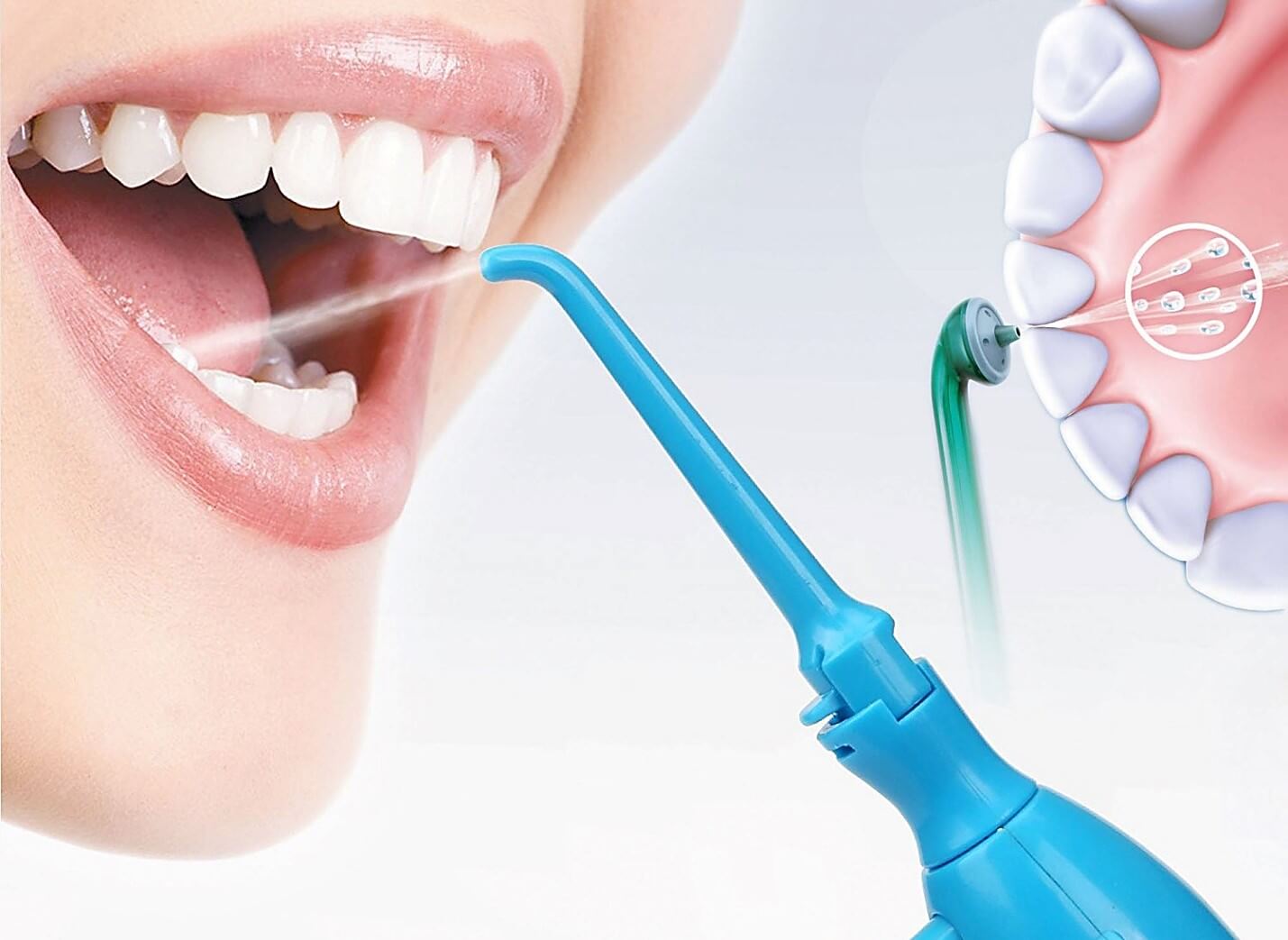
Get your dream smile!

Oral Health & Preventive Care

Expert tips for maintaining healthy teeth and gums for life

Your Guide to Optimal Oral Health

Maintaining excellent oral health is the foundation of a beautiful smile and overall wellbeing. Our comprehensive guides cover everything from daily hygiene practices to preventive treatments.

At Medentra, we believe in the power of prevention. Learn from our expert dentists about how to keep your teeth and gums healthy for a lifetime.

Daily Oral Hygiene: Your Complete Guide to Brushing and Flossing

Oral Hygiene

Proper daily oral hygiene is the most important factor in preventing tooth decay and gum disease. Learn the correct techniques for brushing and flossing, and discover products that really work.

The Foundation of Oral Health

Your daily oral hygiene routine is your first line of defense against cavities, gum disease, and tooth loss. Two minutes of brushing and flossing daily can prevent years of dental problems and expensive treatments.

How to Brush Your Teeth Properly

  • Use a soft-bristled toothbrush (medium or hard bristles damage gums)
  • Hold your brush at a 45-degree angle to your gums
  • Use gentle, circular motions rather than vigorous scrubbing
  • Brush for at least 2 minutes
  • Don't forget to brush your tongue
  • Replace your toothbrush every 3-4 months

Flossing Technique

Flossing removes food and plaque from between your teeth where your brush cannot reach. This is crucial for preventing decay and gum disease.

  • Use 18 inches of floss
  • Wrap the floss around your fingers for control
  • Slide the floss gently between teeth
  • Curve the floss against each tooth
  • Floss all teeth, including the backs of your molars
  • Use a fresh section of floss for each tooth

Best Times to Clean Your Teeth

Brush after meals and snacks when possible, and always before bed. Nighttime brushing is especially important because saliva production decreases during sleep, making your teeth more vulnerable to attack from bacteria.

Get Free Consultation

Foods That Damage Your Teeth (and What to Eat Instead)

Healthy Foods

What you eat greatly affects your oral health. Learn which foods damage your teeth and which foods strengthen them for a healthier smile.

Foods That Harm Your Teeth

Sugary Foods and Drinks

Sugar feeds the bacteria in your mouth that cause cavities. Soft drinks, candy, pastries, and sugary cereals are particularly harmful. Limit these foods and always rinse your mouth with water afterward.

Acidic Foods and Beverages

Citrus fruits, soda, wine, and sports drinks contain acids that erode tooth enamel. While these foods have health benefits, consume them in moderation and rinse your mouth with water afterward.

Hard and Sticky Foods

Hard candies, nuts, and ice can crack teeth. Sticky foods like taffy and caramel can stick to teeth and cause decay. Chewing gum (sugar-free is better) can also stress tooth fillings.

Tooth-Friendly Foods

  • Dairy Products: Milk, cheese, and yogurt strengthen teeth with calcium
  • Crunchy Vegetables: Apples, carrots, and celery clean teeth naturally
  • Leafy Greens: Rich in calcium and minerals for strong teeth
  • Proteins: Fish, chicken, and eggs provide essential nutrients
  • Water: The best drink for your teeth; rinses away harmful substances
Get Free Consultation

Gum Disease: Prevention, Early Signs, and Treatment

Gum Health

Gum disease affects millions of people but is largely preventable. Learn the early signs, prevention strategies, and treatment options to protect your gums and teeth.

What is Gum Disease?

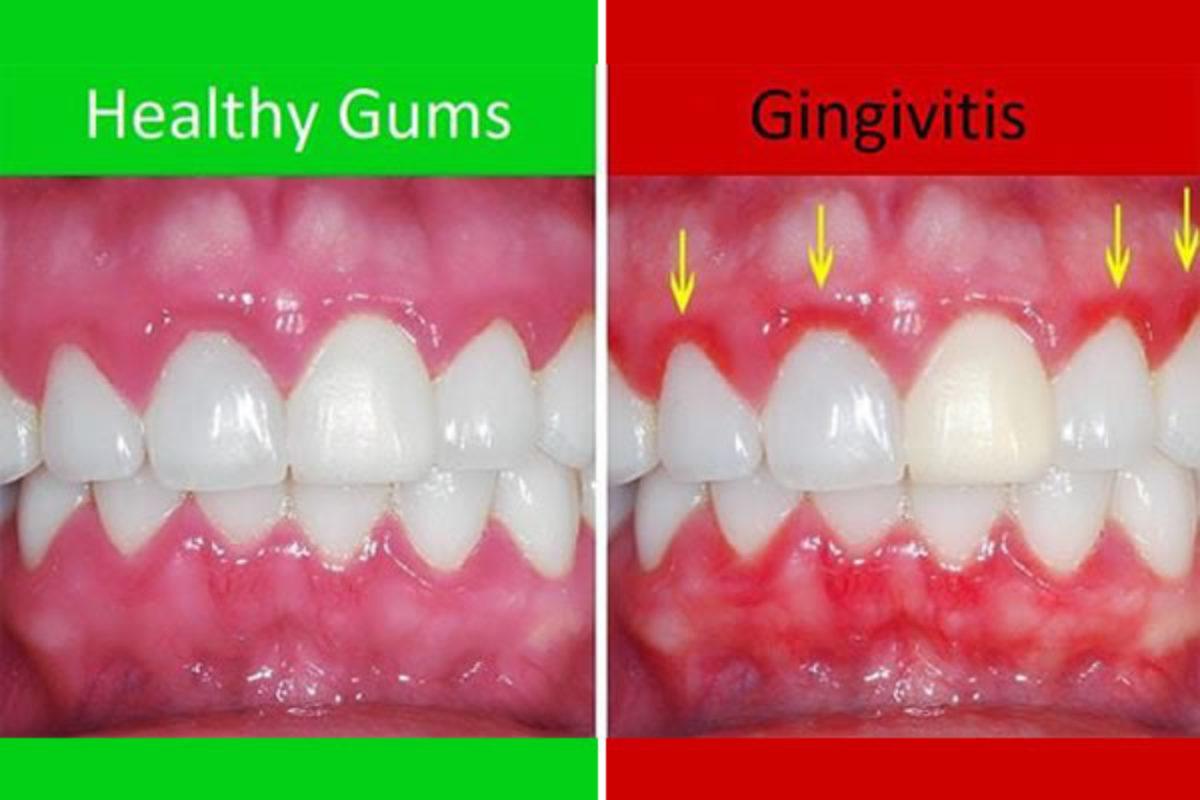
Gum disease (periodontal disease) is an infection of the tissues that hold your teeth in place. It ranges from simple gum inflammation (gingivitis) to serious disease that can lead to tooth loss.

Early Warning Signs

  • Red, swollen, or tender gums
  • Bleeding when brushing or flossing
  • Bad breath that doesn't go away
  • Receding gums
  • Loose or shifting teeth
  • Changes in your bite

Prevention is the Best Treatment

Regular brushing, flossing, and professional cleanings can prevent gum disease in most cases. Don't wait for symptoms—see your dentist every 6 months for professional evaluations.

Treatment Options

Early gum disease can be reversed with improved oral hygiene. More advanced disease may require professional cleaning, medications, or surgical intervention. Our team can assess your situation and recommend the best treatment.

Get Free Consultation

Take Control of Your Oral Health

Get professional guidance from our experts on how to maintain a healthy smile for life

Schedule Your Consultation